POLITIC & GOVERNMENT
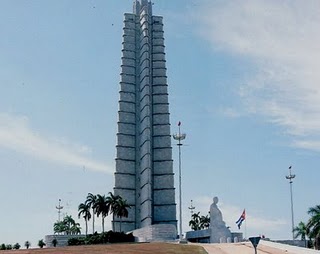

The National Assembly of People’s Power
The National Assembly of People's Power is the supreme body of state power and represents and expresses the sovereign will of all the people. The National Assembly of People's Power is the only body in the Republic invested with constituent and legislative authority.
The Council of State
The Council of State is the body of the National Assembly of People's Power that represents it in the period between sessions, puts its resolutions into effect and complies with all the other duties assigned by the Constitution.
The Council of Ministres
The Council of Ministers is the highest ranking executive and administrative body and constitutes the government of the Republic. The number, denomination and functions of the ministries and central agencies making up the Council of Ministers are determined by law.
The Constitution of 1976 was replaced by the Constitution of 1992. The President of Cuba is concurrently President of the Council of State and President of the Council of Ministers (sometimes referred to as Prime Minister of Cuba). Members of both councils are elected by the National Assembly of People's Power. , who is also elected by the Assembly, serves for five years and there is no limit to the number of terms of office.
The Supreme Court of Cuba serves as the nation's highest judicial branch of government. It is also the court of last resort for all appeals against the decisions of provincial courts.
Cuba's national legislature, the National Assembly of People's Power (Asamblea Nacional de Poder Popular), is the supreme organ of power; 609 members serve five-year terms. The assembly meets twice a year; between sessions legislative power is held by the 31 member Council of Ministers. Candidates for the Assembly are approved by public referendum. All Cuban citizens over 16 who have not been convicted of a criminal offense can vote.