| NATURAL RESOURCES | |||||||
|
One of the most extraordinary natural elements in the Island are the great amount of caves formed by limestone. Most of the rivers in Cuba are not long. The main are: Cauto, Zaza and Sagua la Grande. The coast line of Cuba is very irregular and it is formed by a lot of gulfs and bays; such as the Gulf of Batabano and the one of Guacanayabo; its total length is about 3 740 Km. There are a lot of natural ports in the Island. The most highlighted are the ones of Havana City, Cardenas, Matanzas and Nuevitas in the north coast and Guantanamo, Santiago de Cuba and Cienfuegos in the south coast. |
 Cuba is blessed by its rich land. It has concentrated mineral wealth in nickel, wood, and petroleum. In fact, Cuba has enough petroleum deposits in offshore wells that, once it develops the machinery to extract the oil, it can become self sufficient and will not need to import oil. Besides mineral wealth, Cuba also has a strong fishing industry that caters to the foreign markets [exports] and the tourist hotels in Cuba. Natural resources include cobalt, nickel, iron ore, copper, manganese, salt, timber, silica, and petroleum. The most important Cuban mineral economic resource is nickel. Another leading mineral resource is cobalt, a byproduct of nickel mining operations. Cuba ranks as the fifth largest producer of refined cobalt in the world.
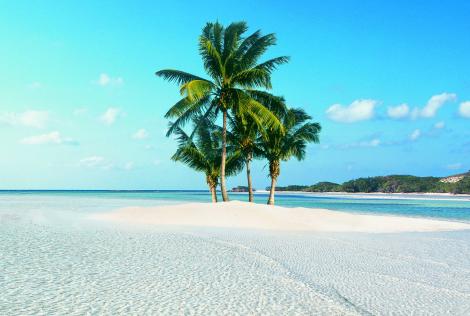
Almost 300 unblemished beaches and enchanting countryside. Activities such as scuba diving, yachting, fishing, hiking, horseback riding, and bird watching can be easily arranged. For four centuries Cuba was the main gateway to Spain's vast American empire, and cities such as Havana, Matanzas, Trinidad, Sancti Spiritus, Camaguey, Bayamo, Baracoa and Santiago de Cuba stand as sentinels to bygone colonial glory. Its unspoiled landscape extends well beyond the magnificent coastal beaches and pristine reefs to verdant valleys and rugged mountains. The island is completely surrounded by thousands of kilometers of coral reefs containing the most diverse variety of corals, fish and other marine life to be found anywhere, with steep walls dropping from reefs to the abyss. More than 150 species of Atlantic, Gulf and Caribbean fish abound in Cuban waters, from the majestic marlin, swordfish and sailfish, to bonefish, tarpon, snook and permit on flats and in estuaries, to snapper and grouper on the reefs. Tuna, cobia, mackeral, seatrout, jack and barracuda also abound.
More than 20 systems
of caves and caverns can be explored throughout the island, some with
rivers or underwater caves connecting with the sea, many with ancient
indigenous pictographs, and all with their unique living species. In brief, Cuba has one of the worlds most interesting and varied nature preserves, a climate that can be enjoyed year-round. |
||||||