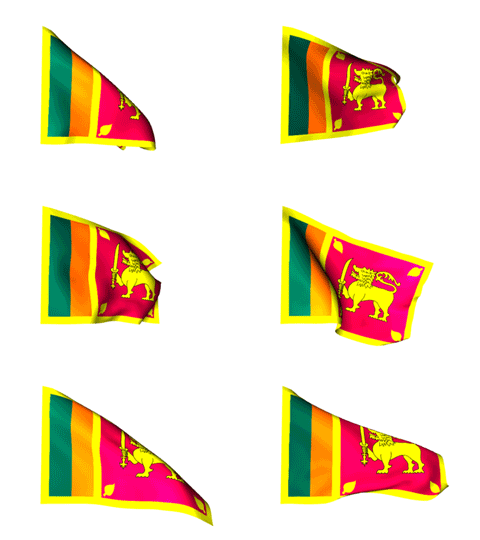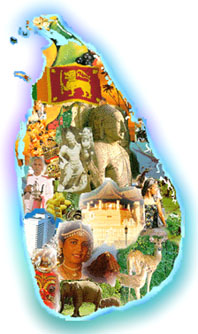
The National Flag
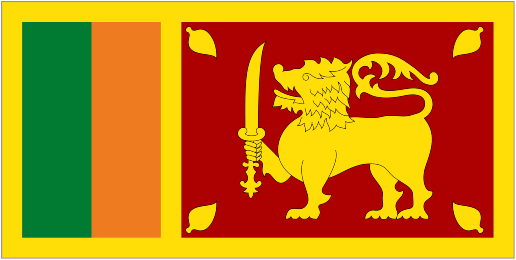
The first Prime Minister of independent Sri Lanka, D.S.Senanayake,
appointed a committee to advice the government on the design of a
new national flag. The design approved by the committee in February
1950 retained the symbol of the lion with the sword and the bo-leaves
from the civil standard of the last king of Sri Lanka, with the
inclusion of two verticle stripes green and orange in color. the
significance of each symbol of the national flag is as follows:
- The lion in the
flag represents the Sinhala race.
- The sword of the lion represents the
sovereignty of the country.
- The noble eight fold path of Buddhism
is signified by the lion's tail.
- Curly hair on the lion's head
indicates religious observance, wisdom and meditation.
- The beard denotes purity of words.
- The handle of the sword highlights the
elements of water, fire, air and earth.
- The nose indicates intelligence.
- The two front paws purport to purity
in handling wealth.
- The verticle stripe of orange
represent the minority Tamil race and the green verticle stripe
the minority Muslim race.
- The four virtues of kindness:
KINDNESS, FRIENDLINESS, HAPPINESS, EQUANIMITY are also
represented in the flag.
- The border round the flag, which is
yellow in color, represents other minor races.
- The bo-leaves at the four corners of
the flag represent Buddhism and it's influence on the nation.
They also stand for the four virtues - Kindness, Friendliness,
Happiness and Equanimity.
- The maroon colored portion of the flag
manifests the other minor religions.
The national flag was hoisted for the first
time on March 3, 1950.
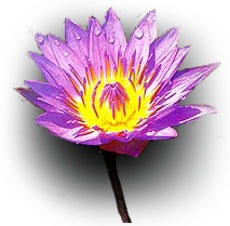
National
Flower
(Nil
Manel or blue water lily
or Nymphaea
stellata)
In February 1986 blue water lily was chosen as the National
flower. Found all the part of Sri Lanka and grows in the shallow
water. Petals arranged like a star and the flat round waterproof
leaves are bright green. It`s a symbol of purity and truth. It
has a sweet fragrance and used for offering at Buddhist Temples
and rituals for god Vishnu.Sigiriya frescoes of women holds
these flowers in their hands. Seeds and the tubes used as a
vegetable by villagers and also leaves, stem and flowers used in
herbal medicine and dried flowers used to make pillows and says
It produces happy dreams.
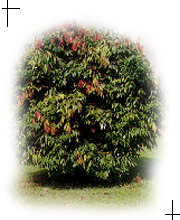
National Tree
NA
(iron wood) or (Mesua Ferrea)
This rain forest tree grows to about 30 m high and indigenous to the lower wet
Zone of Sri Lanka. Remarkable Features of NA is beautiful bright Red Leaves
and finally matured in to a deep green. Timber has a very hardness and
durability and used to make bridges in the early times. But now not allowed
for timber due to it's religious value. It's believed that the first visit of
Buddha was to grove of a NA Tree at Miyanganaya and also the next Buddha
(mithriya) will attain enlightenment under a NA tree. The flower of NA is
also used in herbal medicine and preparation of perfumes, cosmetics and
soaps. This was named as the National Tree in 1986.
National Emblem
Sri Lanka used the British emblem when it was a British
Crown Colony. We continued to use it even after gaining
independence in 1948. According to the recommendations
of a select committee appointed to devise a state emblem
more suitable for Sri Lanka (Ceylon) we opted for a new
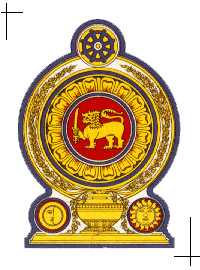
State Emblem. It had a Lion with Sword in its right fore
paw encircled with a Palape
thi open petal design top. Below there was a strip
carrying the country's name in Sinhala, Tamil and
English.
A new republican emblem was chosen after the country was
declared a Republic on May 22, 1972. In addition to the
lion with a sword and the Palapethi open petal design it
portrays the Punkalasa, dhammachakka, sun, moon and two
sheaves of paddy.
National Bird
Wali
kukula or Ceylon Jungle fowl or Gallus Lafayetti
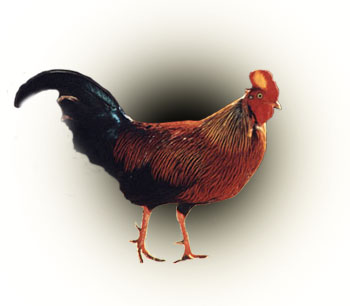
Jungle fowl the National Bird of Sri Lanka is
commonest in the National Parks and forests.
A typical fowl strutting about and scratching the
ground for food.
The male Sri Lankan Jungle fowl
ranges from 66–73 cm long, essentially resembling a
large, muscular rooster.
The male has orange-red body plumage, and dark
purple to black wings and tail. The feathers of the mane descending
from head to base of spine are
golden, and the face has bare red skin and wattles.
The comb is red with a yellow centre. As with the Green
Jungle fowl,
the cock does not possess an eclipse
plumage.
The female is much smaller, at only
35 cm, with dull brown plumage with
white patterning on the lower belly and breast,
ideal camouflage for
a nesting bird.
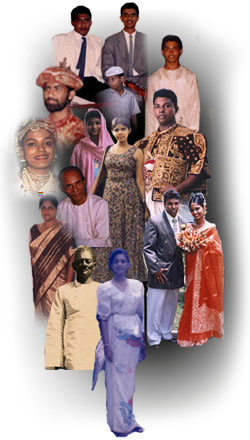
N ational
Dress
Sri Lanka has no approved national dress, as
there are three major communities call
Sinhalese, Tamils, Muslims live together.
Though there is no approved national dress , Sri
lankan male consider
long sleeved shirt without collars up to the
knee and a white Sarong worn by male on
occasions as
the national dress and even the members of
parliament including the President used to wear
it.
Though there are differences, people wear
similar patterns on some occasions due to the
influence from one another. There are regional
differences too.
Majority of middle class male wear trouser and
the shirt. If its an occasion, it becomes a full
suit with a tie and a coat and it has been
influenced by the western fashions and Females
wear Sari (influenced from Indians), Osari
(Female dress of Kandyan ladies), Frock or skirt
and blouse etc.
Kandyan male dress call Mul Anduma worn by bride
grooms which is colorful and comes with lots of
ornament such as dragger, Crown Royal shoes etc,
in traditional type of weddings. Kings of
Kandyan period used to wear this and presently
worn by chieftains of the Temple of the tooth on
occasions.
Muslims wear Shirt,
Sarong and Trousers sometimes with a cap and
females cover the whole body on the advice of
Kurana: The holly book of Allah.
|